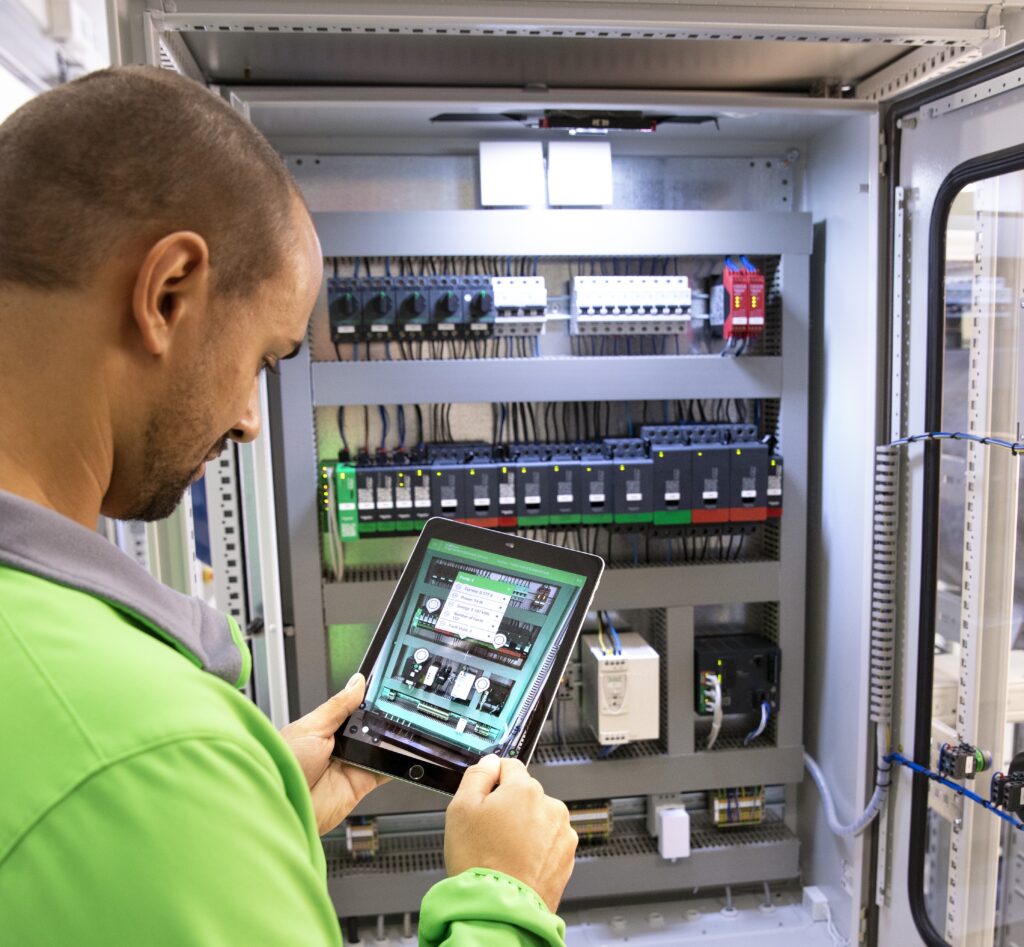

At Staro Integration, we recognise that no two plants have the same operational requirements. For this reason, our Service Level Agreements are structured around each client’s specific automation environment, operational priorities, and support requirements.
Effective Service Level Agreements should never follow a rigid template. Instead, they should reflect the operational realities of the organisation they support.
From understanding Allen Brdley’s robust product portfolio, a flexible SLA allows companies to access the right level of engineering expertise while maintaining control over costs and system performance.
Understanding the Real Support Requirement
Before defining an SLA, we typically analyse the historical support patterns within the facility.
Many organisations discover that engineering support requirements follow a predictable pattern. Monthly support hours often fluctuate depending on factors such as:
- Equipment reliability
- System upgrades or modifications
- Operational changes
- Seasonal production demands
By reviewing historical support activity, it becomes possible to design an SLA that aligns with the plant’s real operational needs.
Balancing Remote Support and Onsite Engineering
Most industrial SLAs combine remote support with periodic onsite visits.
Remote support allows engineers to diagnose issues quickly, review control programs, and assist operators without the delays associated with travel. Many troubleshooting activities, configuration adjustments, and system reviews can be performed effectively through remote access.
However, onsite visits remain important for tasks that require physical presence, including:
- System inspections
- Hardware troubleshooting
- Network assessments
- Engineering modifications
- Operator engagement and training
Combining both forms of support creates a balanced service model that addresses both immediate issues and long-term system improvements.
Managing Support Hours Effectively
One of the challenges with traditional support arrangements is the unpredictability of engineering hours. Some months require extensive support, while others require very little.
Flexible SLAs can address this by allowing limited carry-over of unused hours or accommodating occasional peaks in support demand. This approach provides stability while still allowing the agreement to adapt to real operational conditions.
Over time, as recurring issues are resolved and systems become more stable, the demand for support often decreases.
Visibility Through Structured Reporting
A key component of any SLA is transparency.
Regular reporting provides a clear overview of the support activities performed during the reporting period. This typically includes:
- Summary of support incidents
- Root cause analysis of major issues
- Actions taken to resolve problems
- Recommendations to prevent recurrence
- Identification of system risks or obsolescence concerns
These reports help both engineering teams and management understand how the automation system is evolving and where improvements should be prioritised.
Supporting Long-Term System Sustainability
Industrial automation systems have long lifecycles, but the technologies that support them evolve rapidly. Software platforms change, hardware becomes obsolete, and cybersecurity risks increase.
An effective SLA helps organisations stay ahead of these challenges by providing ongoing guidance on:
- Equipment obsolescence risks
- Software lifecycle management
- Cybersecurity considerations
- System modernisation planning
Instead of reacting when components fail or become unsupported, organisations can plan upgrades strategically.
A Partnership Approach to Support
The most successful SLAs are not simply service contracts.
At Staro Integration, we view our Service Level Agreements as long-term partnerships with our clients. By combining responsive support with proactive system improvement, our SLAs help organisations maintain stable, reliable, and future-ready automation environments.



BUSINESS UNITS
Process Control Systems (PCS)
- Programmable Logic Controllers (PLC’s)
- Visualization (HMI and SCADA Systems)
- Software Standards (Abnormal Situation Management)
- Data Historian
- Remote Operating Centres
- Safety Control Systems
Electrical Systems (ES)
- Distribution and Motor Control Centres (MCC’s)
- Intelligent Motor Control
- Advanced Variable Speed Drive Systems
Industrial Information
& Communication
Technology (IICT)
- Industrial Ethernet Networks
- Remote Connectivity
- Cyber Security
- IT Virtualisation
- Manufacturing Execution Systems (MES)
- CMMS
We offer peace of mind project execution knowing that our activities are accredited by ISO9001:2015 Certification and a 5 star NOSA safety certification. This ensures that we maintain a high level of quality assurance and adhere to rigorous Occupational Health and Safety standards during project delivery.

SERVICES
Professional services include each phase of the project lifecycle:
Project management
STARO Integration manages every project with a comprehensive set of tools based on the PMBOK Project Management Standards.
Basic design
STARO Integration has over 25 years’ experience and our experienced engineering team works closely with the customer to understand the initial scope of work for a project and propose a high-level view of the system requirements.
Detailed hardware design
STARO Integration performs the Detailed Hardware Design in line with industry-, OEM- and Quality standards combined with our 25 years of industry knowledge. This is done with continuous client reviews and approval cycles.
Detailed software design
STARO Integration utilise our inhouse software standards as a baseline and with the client determine the standards to be utilised. The Control System Software is then developed utilizing these proven Software standards resulting in a consistent, correct, maintainable control system.
Design drawings
STARO Integration provides Design and Drawing services for instrumentation, field devices and electrical equipment. These drawings including layout, installation, wiring, junction boxes, and cable routing.
Network design
STARO Integration designs according to industry standards as well as vendor specific networks for distributing controllers, I/O, data servers, and operator stations.
Simulation and Factory Acceptance Testing
a FAT plan with checklists tests every loop and HMI/SCADA screen against the Software Design Specification. Quality of workmanship is reviewed against the Quality Assurance check sheets and a punch list of items are resolved before shipping the system.
Site Acceptance Testing and Start-up
After the control system and all the I/O have been installed and commissioned, STARO Integration works with the client to supply the Site Acceptance Testing in accordance with the SAT plan. Site Acceptance Testing proves that the supplied system, including the control logic and operator stations, is interfaced to the field I/O correctly and performs in accordance with the functional design specification.
Training services
STARO Integration can offer either OEM specific training or training specific to a control system project.
Maintenance and support
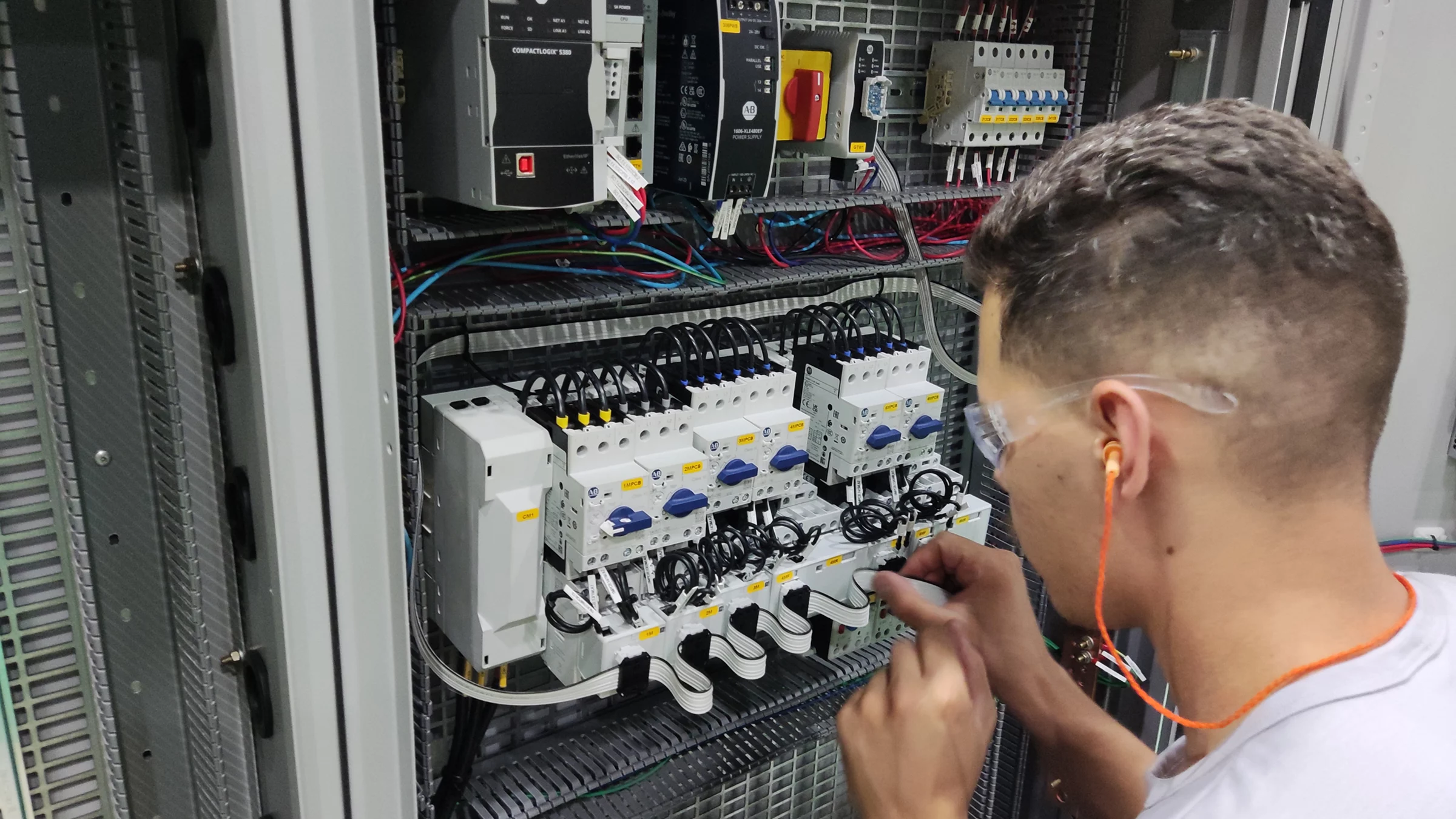
STARO Integration offers qualified engineers to support the customers installed Control System.
A Service Level Agreement (SLA) makes pre-designated engineers available for pre-planned work or for short notice call outs.
Lifecycle management
STARO Integration can provide the client with strategies, alternatives, and estimates for upgrades and migrations.
Download documents
Download documents

HEAD OFFICE

17 Venus Street, Sasolburg, 1947

+27 (0)16 971 3333
SECUNDA BRANCH
16 Steenkamp Street, Secunda, 2302
+27 (0)17 634 7011

sales@staro.co.za
PROUDLY DESIGNED AND BUILT BY BUNNYPANTS GRAPHIC & WEB DESIGN STUDIO | 2023


